Happy Valley Casino Poised for Soft Opening at Pennsylvania's Nittany Mall
24 Apr 2026
Happy Valley Casino Poised for Soft Opening at Pennsylvania's Nittany Mall

The Project Takes Shape in a Revamped Retail Space
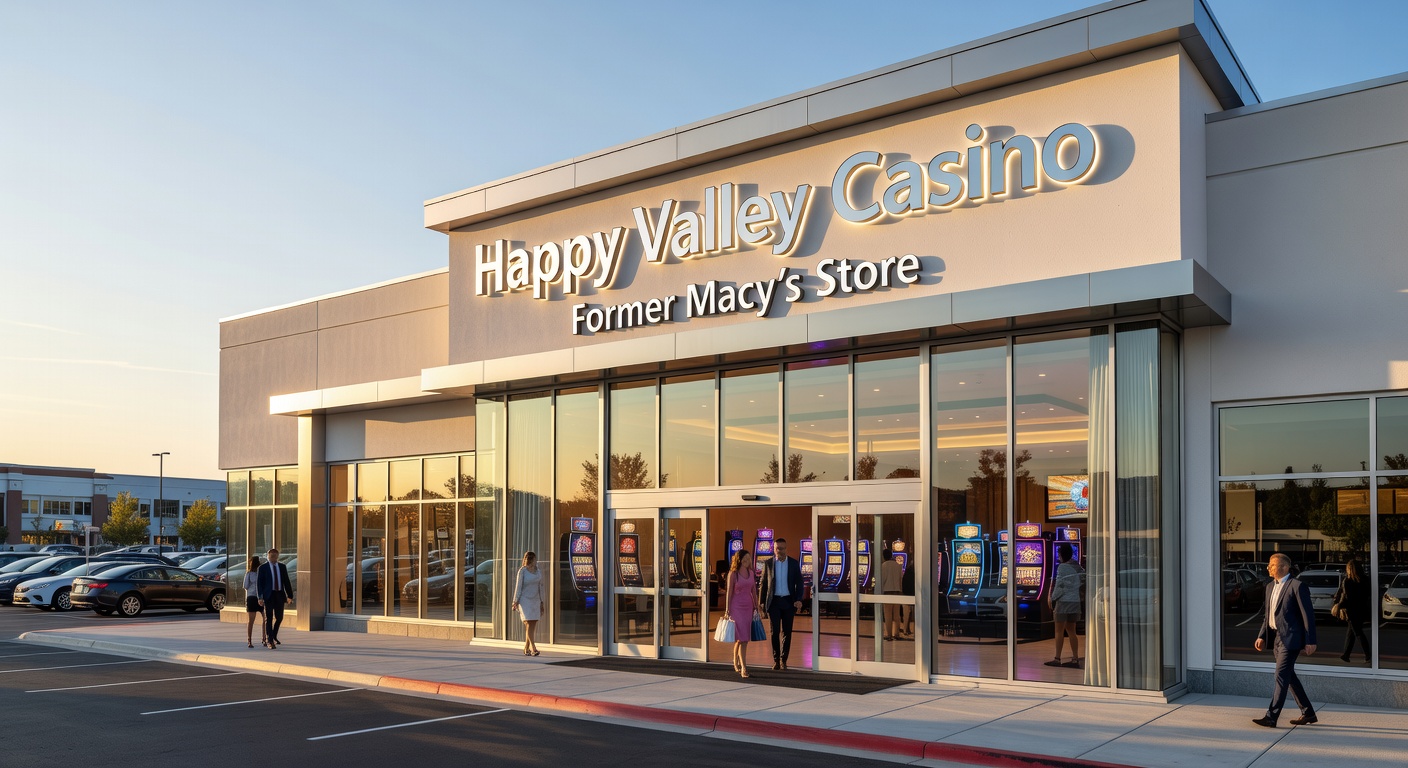
Workers at the Nittany Mall in College Township, Pennsylvania, have transformed a former Macy’s store into the Happy Valley Casino, a $120 million mini-casino project that regulators could greenlight for a soft opening as early as Monday, April 27, 2026; test days are scheduled for April 24 and 25, marking a pivotal moment after years of development hurdles. General manager Eric Pearson leads the effort, overseeing an initial rollout of 600 slot machines, 30 table games, and two dining venues designed to draw crowds from the nearby Penn State University area and beyond. And while expansions loom on the horizon—potentially after a year, depending on demand—the focus remains squarely on launching smoothly amid strict oversight from state authorities.
What's interesting here is how this Category 4 mini-casino fits into Pennsylvania's broader gaming landscape, where such facilities offer a scaled-down alternative to full resorts; observers note that Happy Valley's location in a repurposed retail anchor spot breathes new life into a mall facing typical retail decline, turning empty square footage into a revenue-generating hub. Data from similar projects indicates these venues often boost local economies through jobs and taxes, although specifics for Happy Valley will emerge post-opening.
Take one comparable mini-casino in the state: facilities like this one typically start with targeted amenities, then scale up based on player traffic and revenue metrics; Eric Pearson, with his background in gaming operations, positions Happy Valley to follow that playbook, ensuring the 600 slots and 30 tables cater to both casual visitors and serious gamblers right from the start.
Timeline Builds Toward April 2026 Launch
Regulators hold the final say, but if approvals align, test days on April 24 and 25 will simulate real operations, letting staff fine-tune everything from machine calibrations to security protocols before the soft opening on April 27; that's the current trajectory as of recent updates from project insiders. And since Pennsylvania's gaming board demands rigorous testing phases, delays aren't uncommon—yet this timeline signals momentum after a drawn-out approval process.
People who've tracked these openings often discover that soft launches serve as dress rehearsals, ironing out kinks while building buzz; for Happy Valley, that means inviting select guests to sample slots, tables, and dining, all under watchful regulatory eyes. Turns out, the $120 million investment covers not just gaming floors but also infrastructure upgrades suited for a mall setting, where foot traffic from shoppers could spill over into casino play.
Eric Pearson emphasizes preparedness in public statements, noting that teams have prepared for high-volume scenarios since construction ramped up; the two dining venues, likely featuring casual eats and upscale options, round out the experience, encouraging longer stays and repeat visits.
Overcoming Legal Hurdles and Local Pushback
Since 2021, the Happy Valley project has navigated a gauntlet of legal challenges and local opposition, with residents and officials voicing concerns over traffic, noise, and gambling's social impacts; courts upheld the mini-casino license despite protests, clearing the path for construction that turned the shuttered Macy’s into a gleaming gaming destination. But here's the thing: proponents argue these facilities address illegal offshore betting, which siphons millions from state coffers annually—figures from recent reports highlight how regulated venues like this one recapture that revenue through taxes and licensing.
Experts who've studied Pennsylvania's gaming expansion point out that Category 4 mini-casinos, authorized under a 2017 law, faced fierce battles in courtrooms and town halls; Happy Valley's saga mirrors others, where initial resistance gave way to acceptance as economic benefits materialized—think thousands of construction jobs followed by hundreds of permanent roles in hospitality and gaming. Local opposition, though vocal, centered on fears of increased crime or addiction, yet data from established casinos shows mixed results, with some areas reporting stabilized or even declining problem gambling rates due to better oversight.
One case that observers reference involves nearby communities adapting to casino influxes; they find that responsible gaming programs, mandatory at sites like Happy Valley, mitigate risks through self-exclusion tools and staff training. And while challenges persisted through 2025, the project's resilience underscores Pennsylvania's commitment to onshore gaming as a bulwark against unregulated online platforms.
Features and Future Growth Prospects
At launch, 600 slot machines will dominate the floor—titles from top providers offering progressive jackpots and themed play—paired with 30 table games including blackjack, roulette, and poker variants that appeal to strategy-minded players; the two dining venues promise variety, from quick bites to full meals, enhancing the overall visit without patrons needing to leave the property. Expansions after a year could add more slots, tables, or even a poker room, hinging on performance metrics like win rates and attendance.
It's noteworthy that mini-casinos like this one operate under capacity caps, ensuring they complement rather than compete with larger Atlantic City or Pittsburgh resorts; Eric Pearson's team has designed the space for efficiency, with wide aisles for crowd flow and tech integrations for seamless transactions. Those who've visited similar setups often note the intimacy—easier navigation, shorter lines—compared to sprawling mega-casinos.
Now, combating illegal offshore betting forms a key rationale: Pennsylvania loses substantial tax revenue to unlicensed sites, and regulated options like Happy Valley provide legal alternatives with consumer protections such as fair play audits and dispute resolution; statistics reveal offshore operations evade oversight, leading to fraud risks that state-licensed venues eliminate entirely.
So as April 2026 approaches, anticipation builds around how this $120 million bet pays off; general manager Pearson keeps a steady hand, focusing on compliance while teasing amenities that could make Happy Valley a regional draw.
Regulatory Oversight and Community Integration
The Pennsylvania Gaming Control Board (PGCB) dictates every step, from slot certifications to table game dealer licensing, ensuring Happy Valley meets stringent standards before doors crack open; test days in late April will involve mock shifts, compliance checks, and even simulated emergencies, a protocol that's standard for all new casinos. Communities near the Nittany Mall watch closely, as the project promises economic ripple effects—jobs in security, maintenance, and food service alongside vendor contracts for supplies.
Yet local integration extends further: initiatives like partnerships with Penn State for responsible gaming education or mall-wide promotions could foster goodwill, turning skeptics into supporters over time. Data from other mini-casinos indicates property values stabilize or rise near successful venues, provided operators invest in neighborhood improvements.
Eric Pearson, drawing from industry experience, prioritizes transparency; public updates detail progress, from beam-signing ceremonies to final inspections, keeping stakeholders informed amid past tensions.
Conclusion
Happy Valley Casino stands on the cusp of transforming a former Macy’s at the Nittany Mall into a vibrant gaming and dining hub, with a soft opening targeted for April 27, 2026, following test days on April 24 and 25—if regulators approve; the $120 million endeavor, under general manager Eric Pearson, launches with 600 slots, 30 tables, and two eateries, poised for expansions based on demand while tackling illegal offshore betting's drain on state resources. Despite legal battles since 2021 and local resistance, the project advances, exemplifying Pennsylvania's push for regulated entertainment that bolsters economies and offers safe play options. As opening day nears, all eyes turn to College Township, where this mini-casino could redefine the mall's future and set a template for others nationwide.