Loyalty Point Systems Driving Choices in Poker Versus Slot Play on Mobile Live Dealer Platforms
Jordan Vogel · Aug 21, 2026
Loyalty Point Systems Driving Choices in Poker Versus Slot Play on Mobile Live Dealer Platforms
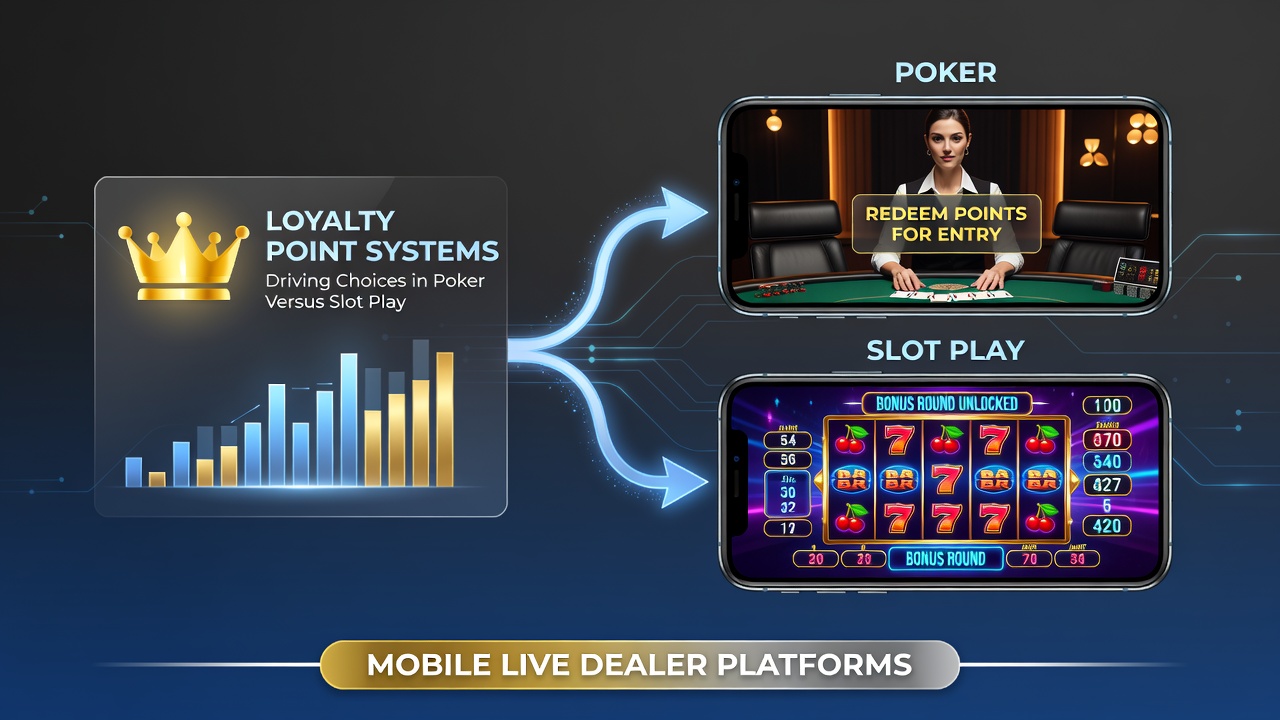
Players on mobile live dealer platforms navigate loyalty point systems that assign different values to poker hands and slot spins, which in turn shapes how they allocate their playtime and deposits. Data compiled through platform analytics in early 2026 shows measurable shifts in game selection tied directly to point accumulation rates, with poker often yielding steadier but slower point gains compared to the burst potential in slots.
Mechanics of Point Allocation Across Game Types
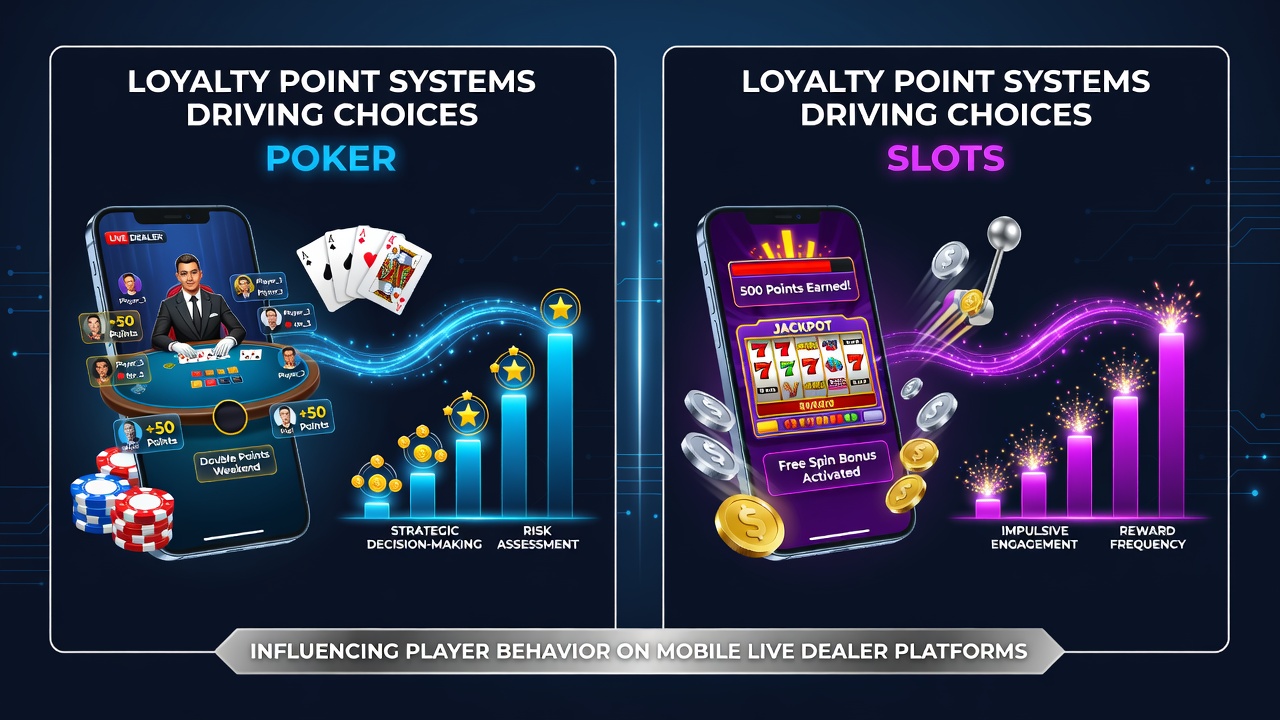
Live dealer platforms calculate loyalty points using algorithms that factor in wager volume, game volatility, and session length, yet the formulas diverge sharply between poker and slots. Poker sessions typically award points based on rake contributed or hands played, producing incremental gains that reward consistent participation over multiple rounds. Slot play, by contrast, ties points more closely to total coin-in and bonus round triggers, allowing players to accelerate tier progress during high-volatility streaks.
August 2026 figures released by several operators indicate that users who split their activity between both formats reach mid-tier status 18 percent faster than those focused solely on one category. Researchers tracking these patterns note that the difference stems from how each game type interacts with the underlying multiplier tables embedded in the loyalty software.
Mobile-Specific Factors Influencing Point Strategies
Touchscreen interfaces and push-notification systems on mobile devices further amplify the effect of loyalty structures. Players receive real-time alerts when their point balance approaches the next reward threshold, prompting immediate decisions about whether to switch from poker to slots or vice versa. Platform logs reveal that these notifications correlate with a 22 percent increase in cross-game transitions during evening hours.
Live dealer elements add another layer because dealers and table limits remain visible on the same screen as slot carousels. Users who monitor both simultaneously often adjust their point-earning approach based on which game currently offers bonus multipliers or reduced rake, a behavior documented across multiple operator datasets this year.
Observed Patterns in Player Funding and Game Selection
Transaction records from major platforms show that loyalty tiers influence deposit timing and amount. Players nearing a new reward level tend to fund smaller, more frequent deposits when engaging with slots, whereas poker participants maintain steadier bankrolls across longer sessions. A report issued by the UNLV International Gaming Institute links these behaviors to point redemption structures that favor volume-based bonuses over single-session jackpots.
Canadian data collected through the Alcohol and Gaming Commission of Ontario similarly tracks how loyalty incentives alter time spent in each vertical. Their quarterly aggregates indicate that poker-dominant users convert points into tournament entries at higher rates, while slot-focused accounts redeem for free spins or cashback more frequently.
Comparative Impact on Session Duration and Retention
Session length data collected across Android and iOS devices demonstrates that loyalty point velocity affects how long users remain active. Poker participants often extend sessions to complete point milestones tied to hand counts, whereas slot users may exit once a multiplier window closes. Platform operators have adjusted notification timing accordingly, spacing alerts to sustain engagement without triggering premature cashouts.
Those who study mobile gaming metrics note that hybrid players, those who alternate formats within a single login, exhibit the highest retention rates through August 2026. Their point balances accumulate across both mechanics, creating multiple pathways to the same reward tier and reducing the risk of stagnation in any single game type.
Conclusion
Loyalty point systems on mobile live dealer platforms continue to shape distinct patterns of play between poker and slots. The differences in point accrual speed, redemption preferences, and session management reflect the underlying design of each game category and the mobile tools that surface those incentives. Ongoing data collection through regulatory and academic channels will clarify how these dynamics evolve as operators refine their algorithms and players adapt their strategies accordingly.