15 Jun 2026
Loyalty Structures Guiding Entry Patterns in Portable Poker and Wheel Competitions
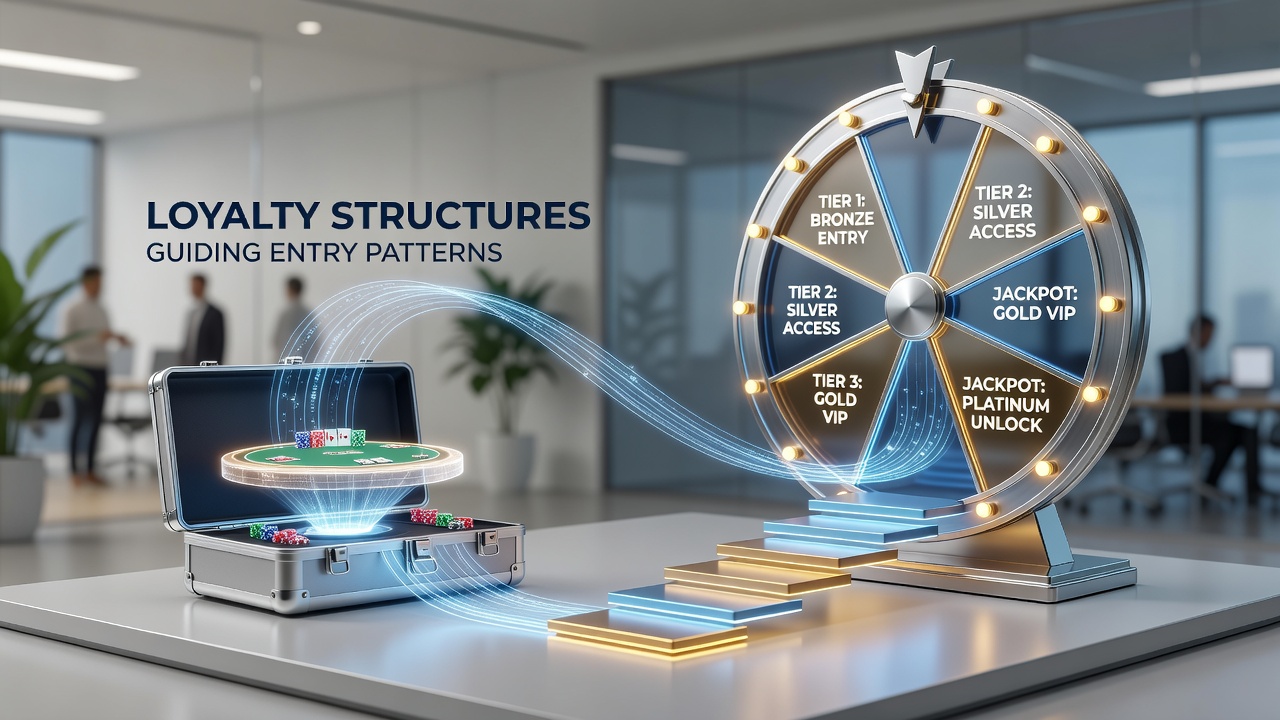
Portable poker and wheel competitions operate through mobile platforms where loyalty structures determine how participants select and access tournament entries, with reward tiers shaping deposit timing, buy-in choices, and overall participation sequences. Data collected from regulated markets shows that players at higher loyalty levels receive priority notifications for upcoming events, which leads to earlier funding actions compared to base-tier users who often wait for promotional windows.
Studies tracking mobile gaming patterns indicate that integrated loyalty systems link point accumulation directly to entry eligibility, creating measurable differences in when users commit funds to poker sit-and-gos or roulette wheel ladders. In markets tracked through June 2026, operators report that mid-tier members complete deposits 48 hours ahead of standard schedules once they unlock accelerated qualification paths, while entry-level accounts cluster activity around weekend bonus releases.
How Tiered Rewards Influence Deposit Timing
Operators structure loyalty programs so that accumulated points unlock reduced entry fees or reserved seats in portable tournaments, and transaction logs reveal consistent correlations between tier status and funding frequency. Players who reach silver or gold levels often schedule recurring deposits tied to weekly leaderboard resets, whereas new accounts tend to fund only after receiving targeted incentives that offset initial buy-ins.
Regulatory filings from the New Jersey Division of Gaming Enforcement document that loyalty-driven entries account for a growing share of mobile tournament volume, with point thresholds guiding whether participants choose single-table poker formats or multi-spin wheel events. Those who monitor these systems observe that higher tiers receive staggered entry calendars that reduce competition for popular time slots, prompting earlier commitment of funds.
Patterns in Poker Versus Wheel Tournament Access
Entry sequences differ between poker and wheel competitions because loyalty mechanics apply distinct multipliers to each format, with poker events frequently requiring accumulated hands played while wheel ladders emphasize spin volume. Records from platform analytics show that loyalty members allocate deposits toward poker buy-ins during weekday evenings when fewer competitors hold equivalent status, shifting to wheel competitions on weekends when bonus spins become available to all tiers.
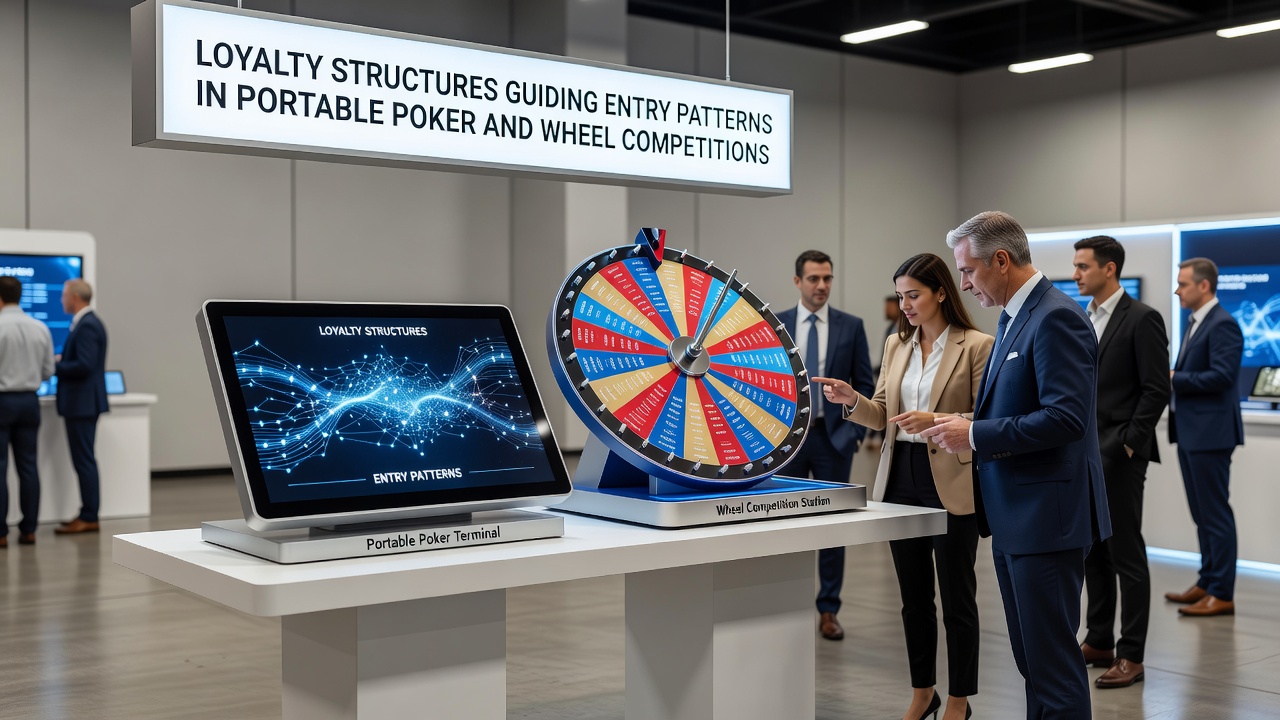
One documented case from an operator in the European market found that loyalty participants in wheel tournaments advanced through qualification rounds 30 percent faster once they unlocked dedicated entry lanes reserved for their tier, while poker entrants used the same points to secure late-registration discounts that extended play windows. These mechanics create branching patterns where users decide between formats based on remaining point balances and upcoming reward cycles rather than random selection.
Regulatory and Industry Data on Participation Trends
Reports compiled by the Australian Gambling Research Centre highlight that loyalty frameworks in portable competitions produce measurable clustering around reward reset dates, with funding spikes occurring immediately after tier evaluations. Operators in multiple jurisdictions adjust notification timing to distribute entries more evenly, yet data still shows higher-status accounts maintaining consistent lead times over lower tiers throughout the calendar year.
Figures released in mid-2026 from Canadian provincial regulators demonstrate that mobile poker entries tied to loyalty accounts grew by double-digit percentages year-over-year, while wheel competitions saw parallel increases once operators introduced cross-format point exchanges. These exchanges allow participants to convert poker hands into wheel tournament credits or vice versa, which further refines entry decisions according to current tier standing.
Conclusion
Loyalty structures continue to direct entry patterns in portable poker and wheel competitions by aligning reward thresholds with specific deposit behaviors and format preferences across regulated platforms. As operators refine these systems through 2026, transaction data and regulatory summaries confirm that tier status remains a primary variable shaping when and how users engage with mobile tournament offerings.