10 Jul 2026
Reward Pathways Linking Status Benefits to Entry Timing in App-Based Card and Wheel Leagues
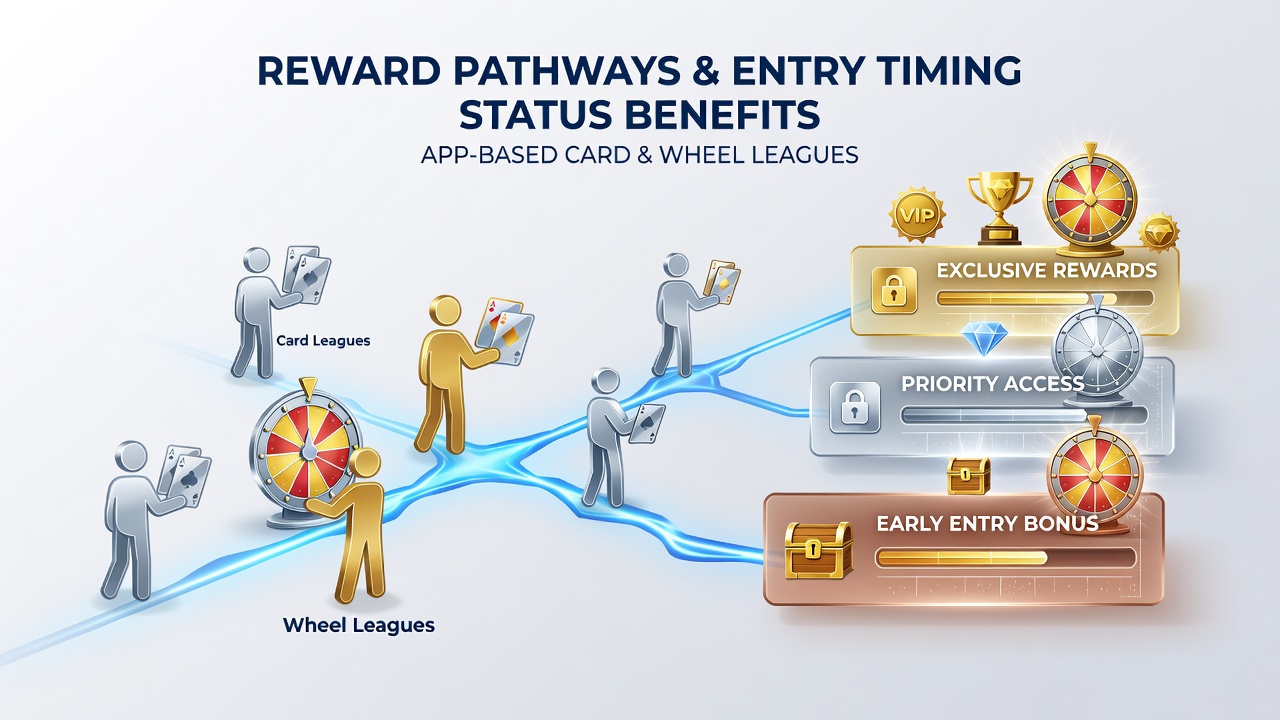
App-based card and wheel leagues operate through structured reward pathways that connect player status levels directly to the timing of tournament entries, and these systems shape participation patterns across mobile platforms in measurable ways. Data from industry tracking services shows that higher-tier users often schedule their entries during specific windows when bonus multipliers activate, whereas lower-status participants tend to join during standard availability periods without those added incentives.
Core Mechanics of Reward Pathways
Reward pathways function as sequences of benefits that unlock progressively based on accumulated activity, and they tie status achievements to precise entry advantages in card games like poker variants alongside wheel-based titles such as roulette tournaments. Observers note that these pathways typically include points accumulation from deposits, playtime, and completed sessions, which then convert into tier advancements granting earlier access slots or reduced entry fees during peak promotional cycles.
Studies from gaming analytics firms indicate that players reaching mid-tier status receive notifications about limited-time entry opportunities up to 48 hours ahead of general release, creating a staggered participation model that favors consistent engagement over sporadic involvement. This structure emerges because platforms program algorithms to release entry codes sequentially according to loyalty metrics, and the result appears in aggregated user data where premium accounts cluster around high-reward start times.
Status Benefits and Their Influence on Timing
Status benefits manifest as tangible advantages including priority queue positions, enhanced prize pools, and synchronized bonus triggers that align with calendar-based events, while entry timing becomes a strategic variable for those monitoring these triggers. Research indicates that elite status holders frequently select entry moments coinciding with weekend rollover periods or holiday multipliers, and this pattern holds across multiple app ecosystems where wheel leagues and card circuits share unified loyalty frameworks.
Those who've analyzed participation logs find that basic tier users enter at uniform intervals throughout the month, yet advanced tiers shift their activity toward the first and third weeks when status-linked cashback rates peak. The connection strengthens because platforms embed these benefits into the same database that manages tournament brackets, allowing automatic adjustments to entry availability based on individual account flags.
Patterns Observed in July 2026
July 2026 data releases from mobile gaming monitors revealed heightened activity in app-based leagues during the first half of the month, coinciding with summer promotional resets that reward pathways automatically route toward higher-status accounts. Figures show increased early entries among platinum and diamond tiers, while casual participants maintained steady but later join rates once public access opened.
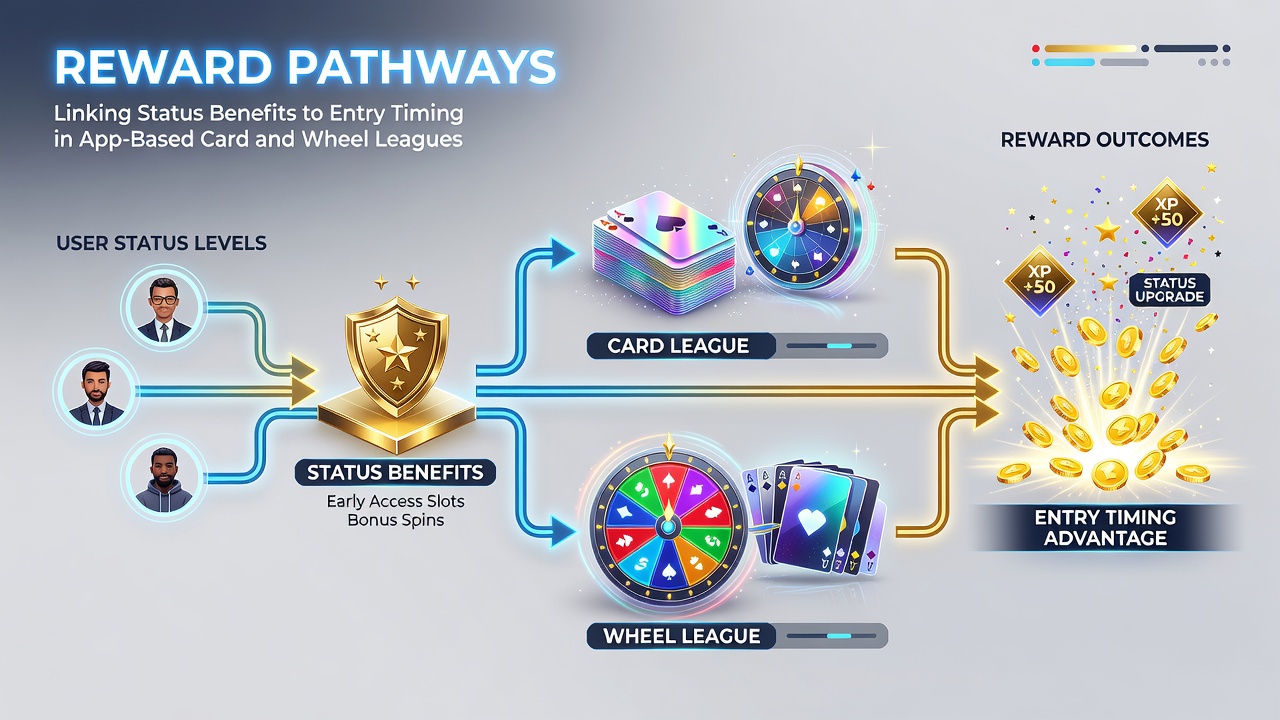
Analysts tracking these trends note that the timing correlation becomes clearer when segmented by game type, with card leagues exhibiting stronger status-based clustering than wheel events due to longer average session durations that accumulate points faster. External reports from the American Gaming Association highlight similar reward integration across digital platforms, though regional variations appear in how European operators structure their July cycles compared to North American ones.
Entry Timing Strategies Across Tiers
Entry timing strategies differ systematically by tier because reward pathways assign distinct calendars to each status level, and users adapt their schedules accordingly to maximize available perks. Lower tiers operate within open registration windows that span several days, whereas top tiers gain exclusive 24-hour previews that allow selection of optimal bracket positions before broader competition fills the field.
Evidence from platform telemetry suggests that status-linked timing reduces overlap between player groups during initial rounds, which in turn affects payout distributions and leaderboard dynamics in both card and wheel formats. People monitoring these systems observe that consistent early entry among rewarded users correlates with higher retention rates, since the benefits compound across multiple tournaments within a single cycle.
Integration of Card and Wheel Formats
Card and wheel formats share the same underlying reward infrastructure in many apps, which means status benefits apply uniformly yet produce different timing effects based on game pace and session length. Wheel leagues often feature quicker cycles that reward rapid re-entries, while card events extend over multiple rounds where early timing secures better seating advantages tied to tier level.
According to aggregated findings published by the Australian Gambling Research Centre, cross-format players who advance through shared pathways exhibit synchronized entry habits that reflect their combined activity across both game types. This integration allows platforms to maintain single loyalty ledgers while still tailoring timing windows to the distinct demands of each league category.
Conclusion
Reward pathways in app-based card and wheel leagues establish clear linkages between status achievements and entry timing options, and available data confirms these connections influence participation across user segments. Continued monitoring of platform metrics through 2026 and beyond will likely refine understanding of how these systems evolve with new promotional structures and regulatory frameworks in different regions.