Reward Structures and Game Transitions in Mobile Casino Tournament Ladders
Nils Schulz · Aug 19, 2026
Reward Structures and Game Transitions in Mobile Casino Tournament Ladders
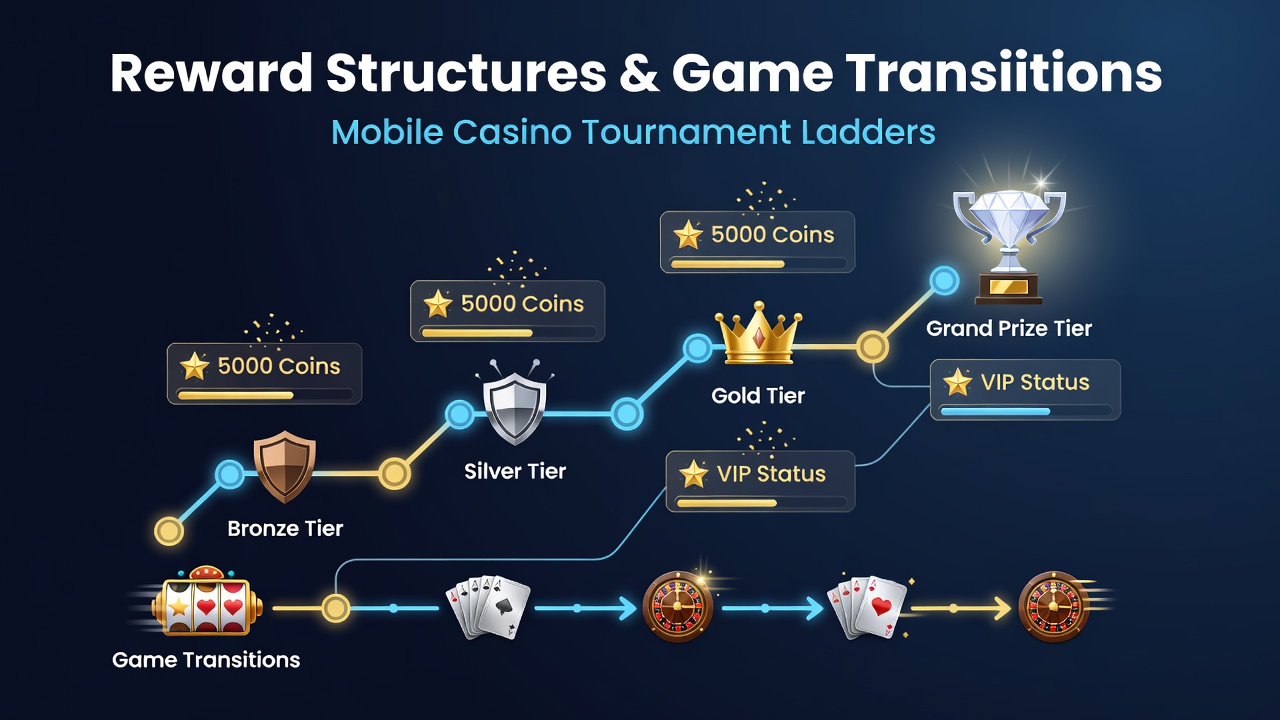
Observers note that mobile casino tournament ladders combine structured reward systems with fluid game transitions to organize player progression across multiple formats; these systems track performance metrics such as points accumulated from slots, table games, and live dealer rounds while shifting participants between challenges without resetting accumulated standings. Data from recent industry analyses indicate that ladder formats typically span several tiers where entry into higher levels requires specific win thresholds or consistent participation rates.
Core Elements of Ladder Reward Systems
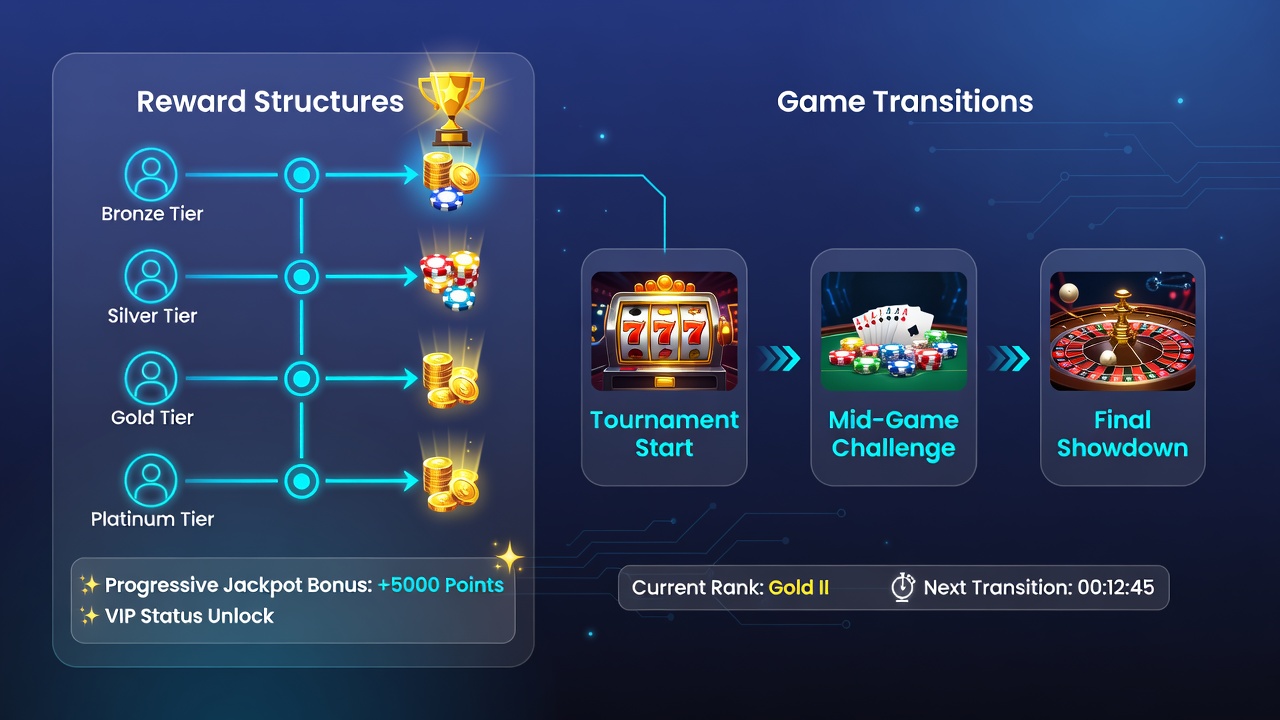
Reward structures in these ladders allocate prizes based on cumulative scores rather than isolated match outcomes, and operators assign tier benefits including bonus spins, entry fee waivers, and cash equivalents once players reach designated milestones. Figures from regulatory filings reveal that many platforms distribute rewards at the end of each ladder cycle, with top placements receiving larger shares while mid-tier participants collect smaller incentives that encourage continued engagement across subsequent rounds.
Studies from academic gaming research centers show reward multipliers often apply during transition phases, when a player moves from one game category to another, and these multipliers scale according to the difficulty rating of the new segment. For instance, advancing from slot-based rounds to poker hands may trigger an adjusted point rate that accounts for variance differences between the two formats.
Mechanics of Game Transitions
Game transitions occur at predefined intervals or upon completion of stage objectives, allowing participants to select from available options such as roulette wheels, blackjack tables, or video poker variants while carrying forward their ladder position. Platform logs indicate that seamless switches rely on synchronized leaderboards that update in real time, preventing score discrepancies when players shift categories mid-tournament.
According to reports compiled by the Nevada Gaming Control Board, transition protocols in mobile environments must comply with technical standards that verify fair point conversion rates across game types, and operators implement automated checks to confirm that no player gains unintended advantages from switching at specific moments. Those who've examined tournament data observe that successful transitions frequently depend on timing, since certain ladders award extra points during peak hours or when multiple game types run concurrently.
Patterns Observed in August 2026 Data
August 2026 records from multiple state regulators demonstrate increased participation in mobile ladders that feature rapid game transitions, with average session lengths extending when reward tiers include cross-format bonuses. Platforms report that users who complete transitions within the first 48 hours of a new cycle tend to maintain higher positions throughout the remaining duration, a pattern confirmed across several operator datasets.
Industry organizations tracking these trends note that reward structures often incorporate daily login multipliers that reset upon each ladder stage, and this design encourages consistent transitions rather than prolonged focus on a single game. External analyses from the University of Nevada's International Gaming Institute have documented how such mechanics influence overall retention rates without altering individual game probabilities.
Integration with Broader Tournament Ecosystems
Ladder systems frequently connect to larger event calendars, where progression through reward tiers grants qualification for exclusive satellite events or higher-stakes competitions that blend multiple game types. Regulatory filings submitted to bodies such as the Malta Gaming Authority highlight the requirement for transparent disclosure of transition rules so that participants understand point allocation before committing to a ladder entry.
Those monitoring platform performance indicate that effective reward structures balance immediate incentives with long-term progression goals, ensuring that mid-level players receive sufficient motivation to attempt transitions even when facing stronger competition in advanced stages. Case examples from operators show that ladders incorporating both slot and table game segments attract broader demographic participation compared with single-format alternatives.
Conclusion
Available data illustrate how reward structures and game transitions function together within mobile casino tournament ladders to create interconnected progression paths that span multiple formats and timeframes. Regulatory oversight continues to shape the technical requirements for fair point conversion, while operator implementations adapt these frameworks to accommodate growing participation volumes observed through mid-2026. Continued examination of performance metrics will clarify how these elements evolve alongside platform capabilities and participant expectations.