13 Jul 2026
Strategic Timing of Bonus Activation Within Cross-Game Tournament Structures on Handheld Devices
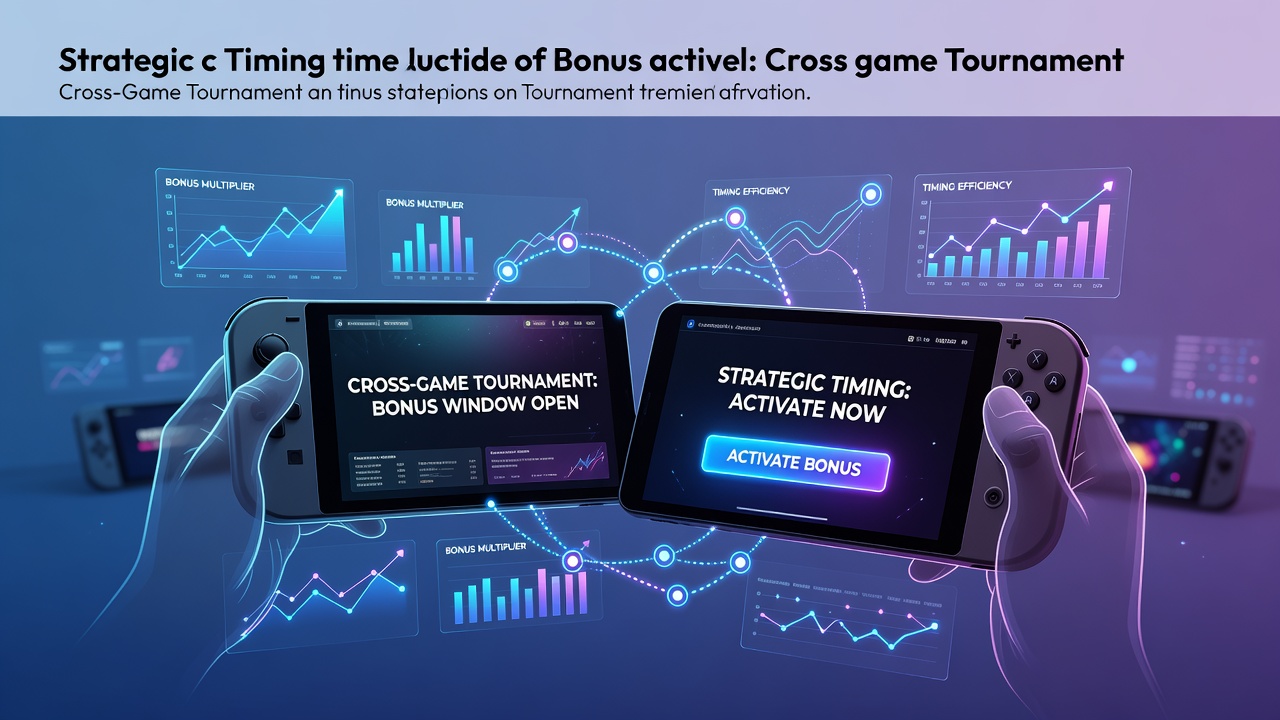
Cross-game tournament structures on handheld devices combine elements from poker, slots, and wheel games into single competitive ladders where participants progress through multiple formats on one platform, and strategic timing of bonus activation plays a central role in how players manage their advancement. Data from industry reports in July 2026 shows increased participation in these mobile formats across regulated markets, with operators tracking activation patterns through app analytics that record exact moments when users trigger multipliers or free spins during ladder climbs.
Core Mechanics of Cross-Game Ladders on Portable Platforms
Handheld tournaments often link sequences from card-based events directly to spin-based rounds, so a player finishing a poker hand sequence might unlock entry into a slots phase where bonus activation timing determines score multipliers. Operators design these ladders with fixed windows for bonus use, and timing decisions affect whether accumulated points carry over or reset based on the rules published by each platform. Research from the American Gaming Association indicates that synchronized timing across games leads to higher completion rates in multi-stage events, particularly when players activate bonuses immediately after crossing qualification thresholds rather than holding them for later stages.
Timing Variables Across Game Types
Bonus activation windows differ between poker segments and slots rounds within the same tournament, which creates decision points where users must choose between immediate use for point boosts or delayed application during higher-stakes phases. In July 2026 mobile data sets, patterns emerged showing that activations clustered around the 30-second mark after a qualifying hand or spin produced stronger progression outcomes than random triggers. These structures require users to monitor device notifications that alert them to upcoming bonus eligibility, and synchronization with live tournament clocks adds another layer since delays from network latency can shift optimal activation moments.
Device-Specific Factors Influencing Activation Decisions
Handheld hardware affects how quickly players can respond to bonus prompts because touch-screen response times and battery states influence the speed of menu navigation during critical tournament moments. Platforms optimize interfaces for shorter activation sequences on mobile, yet studies from the University of Nevada Reno gaming research group reveal that users on devices with higher refresh rates execute timed activations more consistently across poker-to-slots transitions. Cross-game rules often tie bonus value to the specific device session length, so extended play on a single handheld session can unlock tiered multipliers only if activation occurs before the session timer expires.

Network conditions further shape these choices since unstable connections may delay bonus confirmation, prompting players to activate earlier in the sequence to secure the effect before potential disconnections. Tournament software logs these timing events, and aggregated figures from Singapore's Casino Regulatory Authority for mid-2026 highlight that consistent early activation within the first 20 percent of each game segment correlates with steadier advancement through the overall ladder.
Observed Patterns in Bonus Deployment Strategies
Players navigate cross-game tournaments by aligning bonus triggers with game transitions, such as activating a slots multiplier right after completing a poker qualification round to maximize carryover points. Data sets compiled through 2026 show repeated instances where delayed activation until the final 10 percent of a round produced variable results depending on the specific tournament ruleset. Handheld platforms provide visual timers that count down eligibility periods, and those who coordinate activations with these countdowns maintain momentum more reliably across multiple game formats.
Integration With Tournament Progression Rules
Many portable tournament systems award progression bonuses only when activation happens within designated safe windows that avoid overlap with active betting phases, which reduces conflicts between simultaneous game elements. Observers note that cross-game ladders increasingly incorporate conditional bonuses tied to prior performance metrics, so timing an activation immediately after a strong poker result can amplify the slots phase that follows. Regulatory filings from Australian state gaming authorities in 2026 document how these timing mechanisms help platforms maintain compliance while supporting complex multi-format competitions on mobile devices.
Conclusion
Strategic timing of bonus activation continues to define outcomes in cross-game tournament structures on handheld devices as operators refine their systems based on usage data collected through July 2026. These patterns reflect the interaction between game rules, device capabilities, and player decision frameworks across integrated poker, slots, and wheel formats. Continued tracking by regulatory bodies and research institutions provides ongoing insight into how timing choices shape progression within these mobile tournament environments.